Growing Parsley with Kratky Hydroponics
Kratky Parsley: Master Parsley Cultivation with the Kratky Method
Unlock the secrets to thriving parsley plants using the innovative Kratky method. Perfect for home gardeners and culinary enthusiasts alike.

Parsley Grown with the Kratky Method
All About Parsley
Parsley is a versatile herb known for its vibrant green leaves and fresh, slightly peppery flavor. Rich in vitamins A, C, and K, parsley is not only a culinary staple but also offers numerous health benefits, including anti-inflammatory properties and support for bone health. This resilient herb can enhance a variety of dishes, from salads to soups, making it a must-have in any kitchen garden.
Parsley is slower than basil or mint, but one Kratky container keeps producing for months once it is established. It is a good second herb once you have grown Kratky basil.

70-90days to maturity
Parsley Growth Cycles
Parsley Growth Cycles
Understanding the growth stages of parsley is key to a successful harvest. From seed to mature plant, each phase requires specific care and attention.
Germination
Seed Sprouting. Parsley seeds typically germinate within 2-3 weeks. During this time, ensure they are kept in a warm, moist environment to encourage sprouting.
Seedling Stage
Early Growth. Once the seeds sprout, seedlings emerge. Provide ample light and maintain consistent moisture to support healthy development.
Vegetative Growth
Leaf Development. As parsley enters the vegetative stage, focus on nutrient-rich solutions to promote lush, green foliage.
Maturity
Ready to Harvest. After approximately 70-90 days, parsley reaches maturity. Harvest leaves regularly to encourage continuous growth.
Bolting
Flowering Phase. Eventually, parsley will bolt and produce flowers. At this stage, the leaves may become bitter, signaling the end of its culinary use.
Seed Collection
Preserving Seeds. Collect seeds from mature flowers to plant in the next growing season, ensuring a sustainable parsley supply.
Understanding Parsley's Watering Needs
Optimal Watering for Kratky-Grown Parsley
When growing parsley using the Kratky method, it is crucial to maintain the right water level in your hydroponic system. Unlike traditional soil gardening, the Kratky method relies on a static water reservoir that provides nutrients directly to the plant roots. Fill the reservoir so the bottom of the net pot just touches the solution, then let the level fall as the parsley drinks. The air gap that forms gives the upper roots oxygen while the lower roots keep drinking.
Parsley thrives in a nutrient-rich solution, so it's important to monitor the water's pH and nutrient concentration regularly. Aim for a pH level between 5.5 and 6.5, and top up with fresh solution only when the level runs low, filling part way so the upper roots stay in the air gap. Remember, the Kratky method is a passive system, so careful attention to water quality and levels is key to successful parsley cultivation.
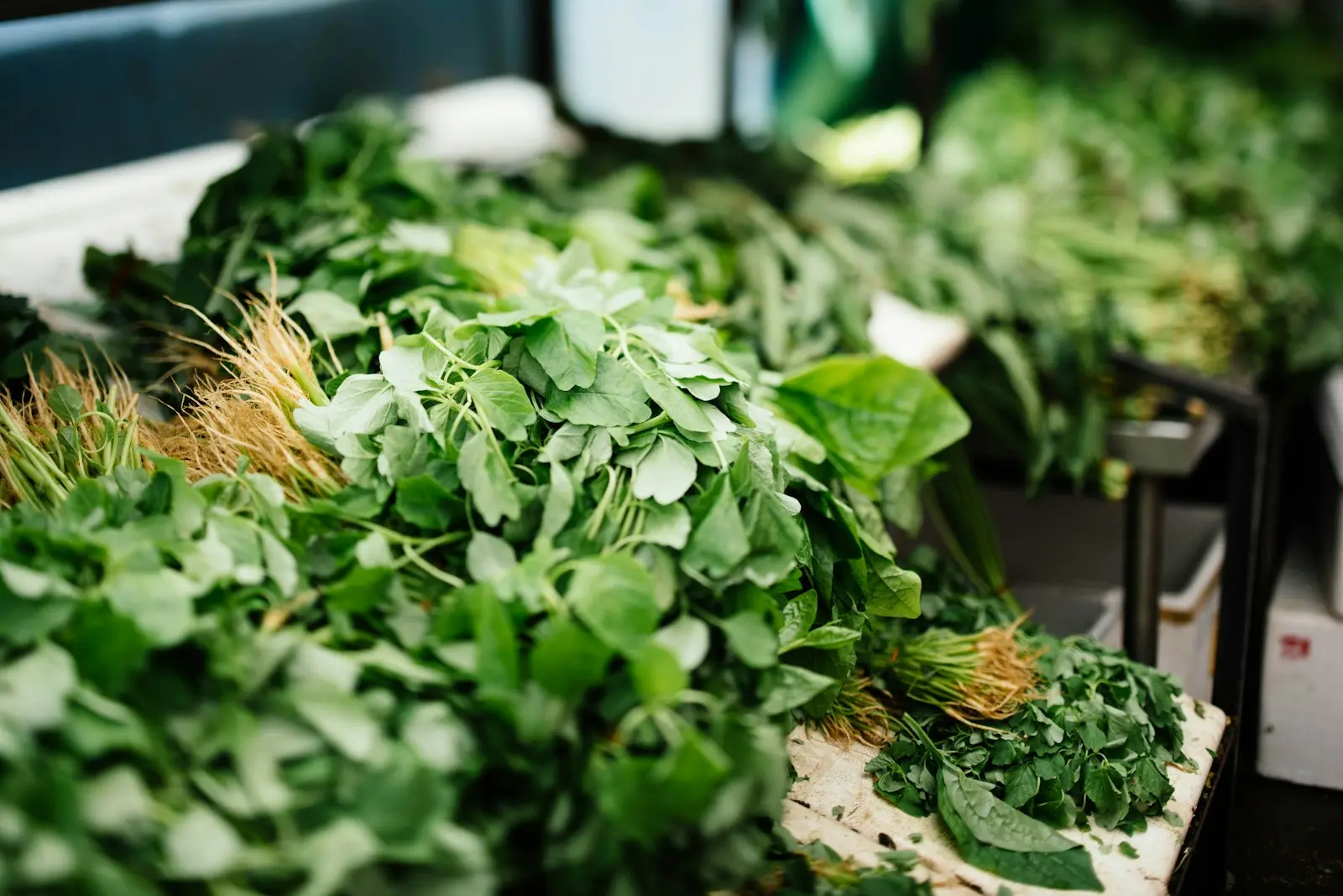
In the kitchen
Delicious Ways to Use Parsley in Cooking

Parsley Pesto Pasta
A vibrant and flavorful pasta dish featuring homemade parsley pesto, perfect for a quick and healthy meal.

Lemon Parsley Grilled Chicken
Juicy grilled chicken marinated with lemon and parsley, offering a fresh and zesty flavor profile.
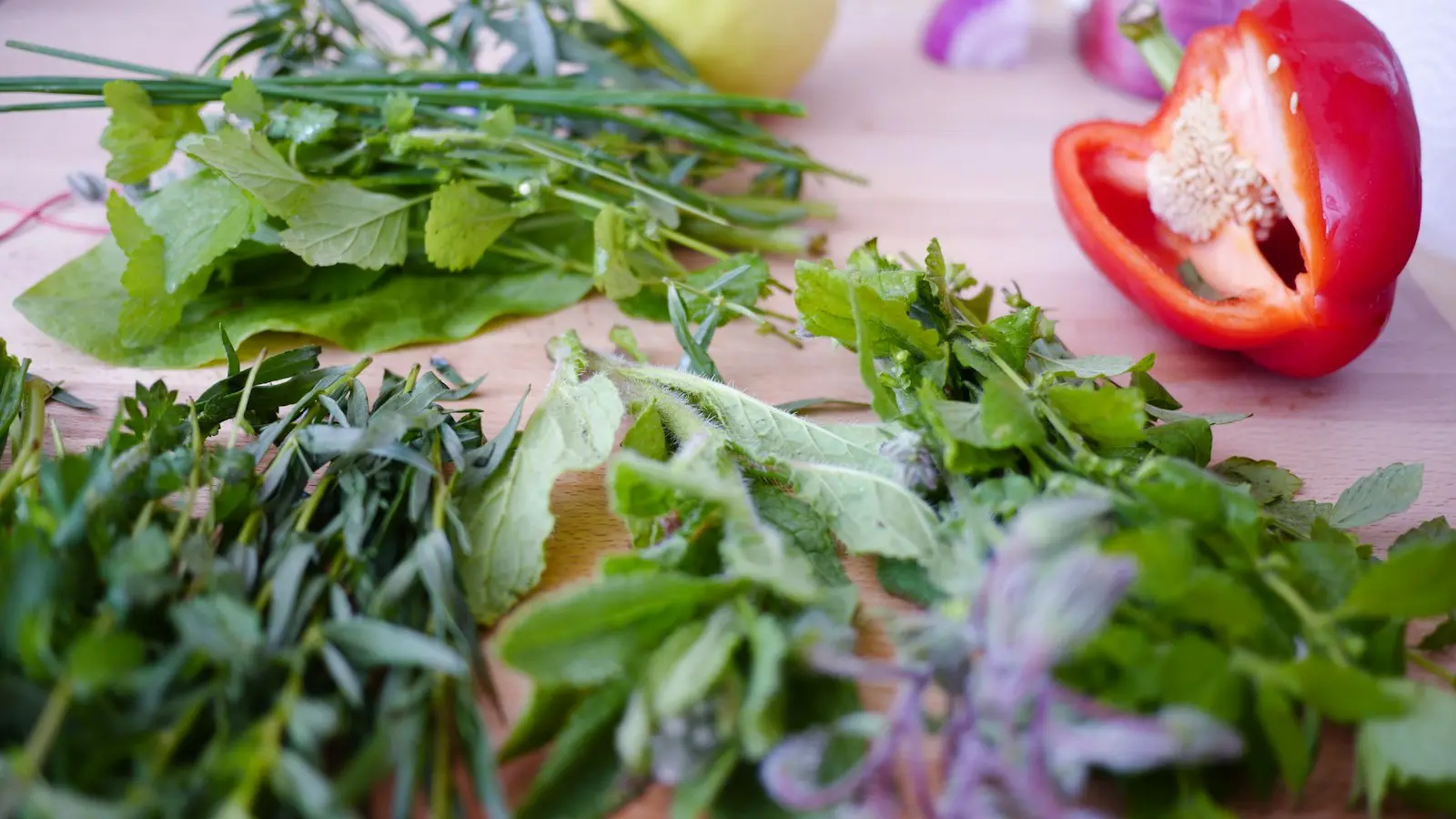
Parsley and Garlic Roasted Potatoes
Crispy roasted potatoes tossed with garlic and fresh parsley, an ideal side dish for any occasion.
FAQ
Common Questions About Growing Parsley
How often should I change the water in the Kratky system?
With the Kratky method you don't change the solution. Parsley is a long-season herb, so it will likely need a top-up: add fresh solution part way when the level runs low, keeping the upper roots in the air gap. Keep the container covered from light to stop algae.
What is the ideal temperature for growing parsley hydroponically?
Parsley grows best in temperatures ranging from 60°F to 75°F (15°C to 24°C). Maintaining this temperature range will promote healthy growth and prevent stress on the plants.
Can I grow parsley indoors using the Kratky method?
Yes, parsley can be successfully grown indoors using the Kratky method. Ensure it receives sufficient light, either from a sunny window or by using grow lights to mimic natural sunlight.
What type of nutrients should I use for parsley in a hydroponic system?
Use a balanced hydroponic nutrient solution specifically formulated for leafy greens. This will provide the essential nutrients parsley needs, such as nitrogen, phosphorus, and potassium.
How long does it take for parsley to be ready for harvest?
Parsley typically takes about 8 to 12 weeks to reach maturity when grown hydroponically. You can begin harvesting once the leaves are large enough to use, usually around 6 inches in height.
Parsley guides
More Kratky Parsley Guides
Each guide answers one question about growing parsley in a Kratky container.
- Flat-leaf vs curly parsley: which one to grow and why
- Parsley seed germination: getting slow parsley seed to sprout
Related Kratky Herbs
Parsley is a slow, long-lasting herb. Chives keep going just as long, and a big parsley harvest freezes well.